The Alarming Rise of Sophisticated E-commerce Fraud
As someone deeply involved in IT consultancy and cybersecurity, I constantly monitor the evolving landscape of digital threats. While I often focus on data breaches and network intrusions, the news coming out of the e-commerce world increasingly catches my eye. This particular incident, involving a high-value NVIDIA RTX 5090 graphics card sold on eBay, is a stark reminder of the cunning and audacity of modern fraudsters.
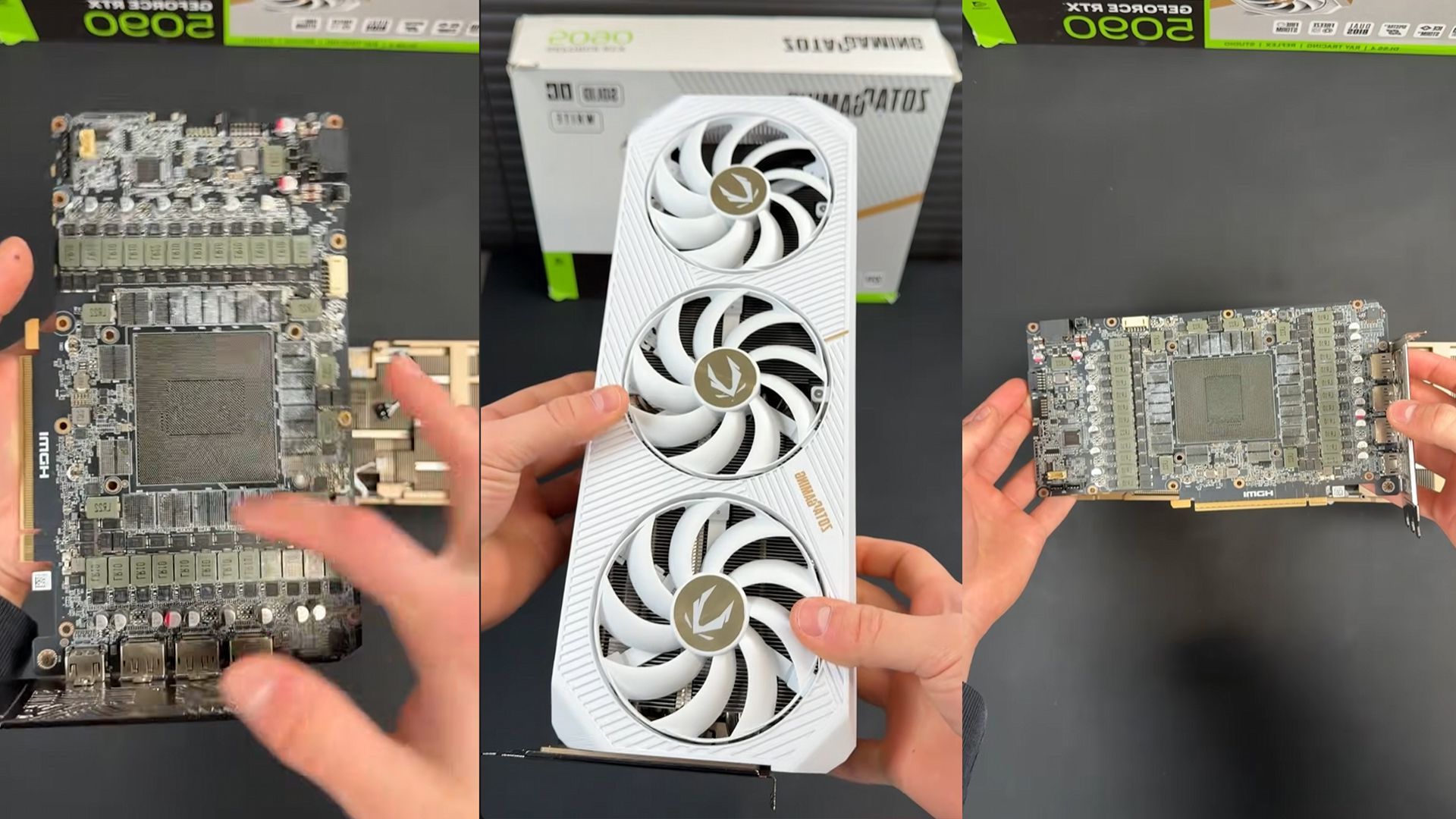
The story, as I understand it, is truly unsettling. A seller reportedly dispatched a brand new, fully working Zotac RTX 5090, valued at a hefty $4,000. All seemed well until the buyer initiated a return. Upon receiving the package back, the seller found the GPU seemingly intact – externally, at least. However, a deeper inspection revealed a heinous act of fraud: the GPU core and memory modules, the most valuable and functional components, had been expertly stripped from the card.
"Despite appearing intact, the GPU was missing critical components internally, making the scam difficult to detect without disassembly."
This detail is what truly chills me. It wasn't a simple swap for a different, cheaper card. This was a calculated and technically proficient manipulation, designed to make detection incredibly difficult without dismantling the card. It's a level of sophistication that goes beyond casual opportunism, suggesting a concerted effort to defraud sellers of high-value tech.
How These Scams Undermine Trust and Security in E-commerce
This incident isn't just about one seller's financial loss; it's about the erosion of trust in the entire online marketplace ecosystem. When such intricate scams occur, they leave sellers vulnerable and hesitant to deal in high-value electronics. I see several critical implications:
- Financial Risk for Sellers: The immediate loss of a $4,000 item is devastating for an individual seller.
- Difficulty in Dispute Resolution: Proving that components were stripped *after* the item left the seller's possession is incredibly challenging for platforms like eBay.
- Increased Scrutiny on Buyers: Legitimate buyers might face more stringent checks or higher prices as sellers try to mitigate risk.
- Reputational Damage: Incidents like this can make buyers and sellers wary of platforms where such frauds can seemingly go unpunished.
My Advice for Protecting Yourself as an Online Seller
Given the increasing sophistication of these scams, I believe it's imperative for online sellers, especially those dealing with high-value items, to adopt a robust protection strategy. Here are my essential recommendations:
- Document Everything Extensively: Before shipping, take detailed photos and videos of the item's condition, functionality, and crucial identifying marks like serial numbers. Show the packaging process.
- Use Tamper-Evident Packaging: For high-value goods, consider using seals or packaging that clearly indicates if it has been opened or tampered with.
- Insured Shipping with Signature Confirmation: Always opt for shipping methods that offer insurance and require a signature upon delivery.
- Understand Platform Policies: Familiarize yourself intimately with the return, refund, and dispute resolution policies of the platforms you use.
- Beware of Red Flags: Be cautious with new buyers, especially those making immediate high-value purchases or requesting unusual shipping arrangements.
Personal Opinion
This incident with the RTX 5090 is a stark and deeply concerning example of how far fraudsters are willing to go. As an IT professional, I'm always advocating for robust security measures, and this extends beyond just data – it's about protecting physical assets in digital transactions too. I believe e-commerce platforms have a significant responsibility to invest more in AI-driven fraud detection for returns and more transparent, equitable dispute resolution mechanisms. While sellers must take proactive steps, the platforms also need to evolve their defenses against these increasingly insidious attacks on trust. The sophistication of this particular scam, stripping internal components while maintaining an intact external appearance, sets a dangerous precedent for the future of online trading.