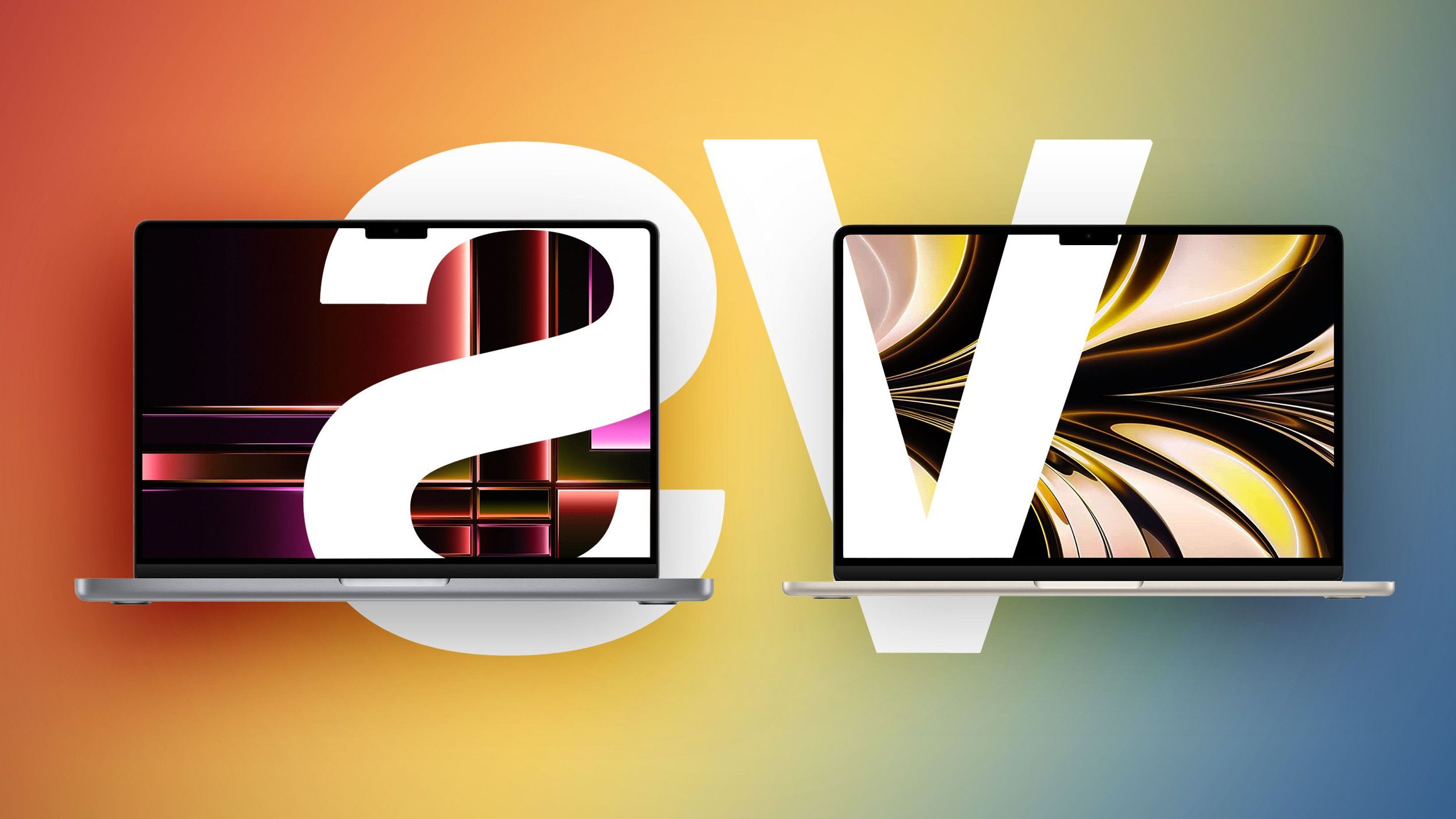
M5 MacBook Air vs. M5 MacBook Pro: My Definitive Buyer's Guide for 2024
The tech world is buzzing, and for good reason! With Apple's latest M5 chip now powering both the refreshed MacBook Air and the entry-level MacBook Pro, a crucial question has landed on my desk: which one is right for you? As an expert tech consultant, I know that choosing the perfect laptop isn't just about raw specs; it's about understanding your workflow, your budget, and what truly enhances your daily experience.
With the introduction of the new MacBook Neo as Apple's most affordable entry-point, the MacBook Air has shifted its position. It's no longer the default choice for everyone, but rather a sophisticated middle ground between pure affordability and formidable performance. If you've already decided the Neo isn't for you, then buckle up – I'm here to help you navigate the nuances between the Air and the Pro.
Understanding the Core Differences: Air vs. Pro
On the surface, both machines share the incredible M5 chip, promising blistering speed for most tasks. However, as I delve deeper, the distinctions become clearer, especially concerning sustained performance and professional-grade features. For some, the extra cost of the Pro is an unnecessary luxury; for others, its ability to maintain peak performance, coupled with a superior display and expanded connectivity, transforms their workflow in ways the Air simply can't match, even in its highest configurations.
“The MacBook Air now occupies a more clearly defined middle position in Apple's laptop lineup, offering a meaningful step up in performance, features, and long-term usability without moving into the MacBook Pro tier.”
The M5 MacBook Air: Agile Power for the Everyday Expert
Starting at $1,099 for the 13-inch and $1,299 for the 15-inch model, the MacBook Air remains an incredibly compelling option. It delivers excellent performance for everyday tasks, robust memory and storage options, and a vibrant LCD Liquid Retina display. I find its fanless design appealing for quiet operation, and its thinner, lighter chassis (0.44-0.45 inches thick, 2.7-3.3 pounds / 1.13-1.15 cm, 1.24-1.51 kg) makes it exceptionally portable. With up to 18 hours of battery life and charming color options, it’s a powerhouse for general productivity, creative pursuits that aren't overly demanding, and anyone who values portability and a silent workflow.
- Display: 13.6- or 15.3-inch LCD Liquid Retina, 60Hz, up to 500 nits brightness.
- Cooling: Passive (fanless).
- Ports: Two Thunderbolt 4 (USB-C) ports.
- Audio: Four-speaker (13-inch) or six-speaker (15-inch) sound system.
- Battery Life: Up to 18 hours.
- Design: Slim, lightweight, silent, various color options (Silver, Sky Blue, Starlight, Midnight).
- Starting Price: $1,099 (13-inch), $1,299 (15-inch).
The M5 MacBook Pro: Uncompromised Performance and Professional Tools
Stepping up to the 14-inch MacBook Pro starts at $1,599 – a minimum of $300 more than the 15-inch Air. This investment brings a suite of enhancements designed for the most demanding users. The biggest differentiator, in my opinion, is its active cooling system. This allows the M5 chip to maintain peak performance for extended periods, crucial for tasks like prolonged video editing, 3D rendering, large code compilations, or intensive AI workloads. If your job regularly involves pushing your machine to its limits, the Air's fanless design could become a bottleneck.
Beyond sustained performance, the Pro offers a truly transformative visual experience. Its mini-LED Liquid Retina XDR display with ProMotion delivers breathtaking contrast, up to 1,000 nits sustained (1,600 nits peak HDR) brightness, and fluid refresh rates up to 120Hz. Furthermore, the expanded I/O – an additional Thunderbolt 4 port, HDMI 2.1, and an SDXC card slot – significantly boosts its versatility for professional environments. Coupled with a high-fidelity six-speaker sound system, studio-quality microphones, and an impressive 24-hour battery life, the MacBook Pro is built for longevity and uncompromised professional use.
- Display: 14.2-inch Mini-LED Liquid Retina XDR, ProMotion (up to 120Hz), up to 1,000 nits sustained (1,600 nits peak HDR), Nano-texture option.
- Cooling: Active (fans).
- Ports: Three Thunderbolt 4 (USB-C) ports, HDMI 2.1 port, SDXC card slot.
- Audio: High-fidelity six-speaker system with force-cancelling woofers.
- Battery Life: Up to 24 hours.
- Design: Thicker, heavier (0.61 inches / 1.55 cm, 3.4 pounds / 1.55 kg), Silver or Space Black color options.
- Starting Price: $1,599.
The Critical Price Overlap: When $300 Makes All the Difference
Here’s where the decision gets really interesting for many of my clients. The 15-inch MacBook Air, priced at $1,299, comes tantalizingly close to the 14-inch MacBook Pro’s starting price of $1,599. For an additional $300, the Pro provides that significantly more advanced display, active cooling for sustained performance, longer battery life, expanded I/O, and overall greater versatility. Once you're already committing over $1,000 to a laptop, I believe these advantages become disproportionately impactful, especially for users planning to keep their machine for several years.
Personal Opinion
Having analyzed these machines extensively, my advice is clear: for most users focused on general productivity, web browsing, light creative work, and portability, the M5 MacBook Air remains an exceptional choice. It offers incredible value, silent operation, and enough power to handle daily tasks with ease, making it a fantastic long-term investment that won't feel constrained for years.
However, if your work involves demanding, sustained workloads – anything that pushes the CPU/GPU for extended periods – or if you crave the absolute best display experience, superior connectivity, and an uncompromised professional toolkit, then the MacBook Pro is undeniably worth the extra investment. The active cooling and the Liquid Retina XDR display alone are game-changers for professionals. Don't underestimate the longevity benefits of the Pro's robust feature set if you plan to hold onto your machine for half a decade or more. It’s an investment in sustained peak performance and a truly premium user experience.